Reasons to Migrate to the Cloud in 2026

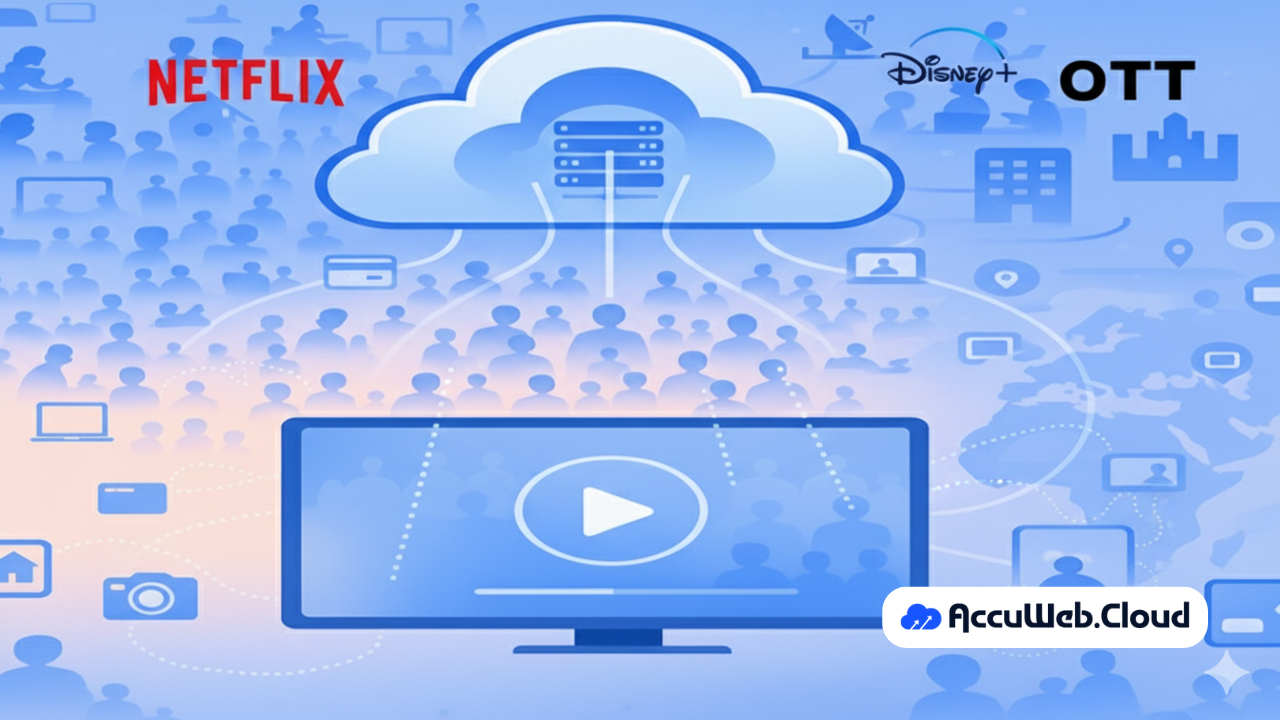
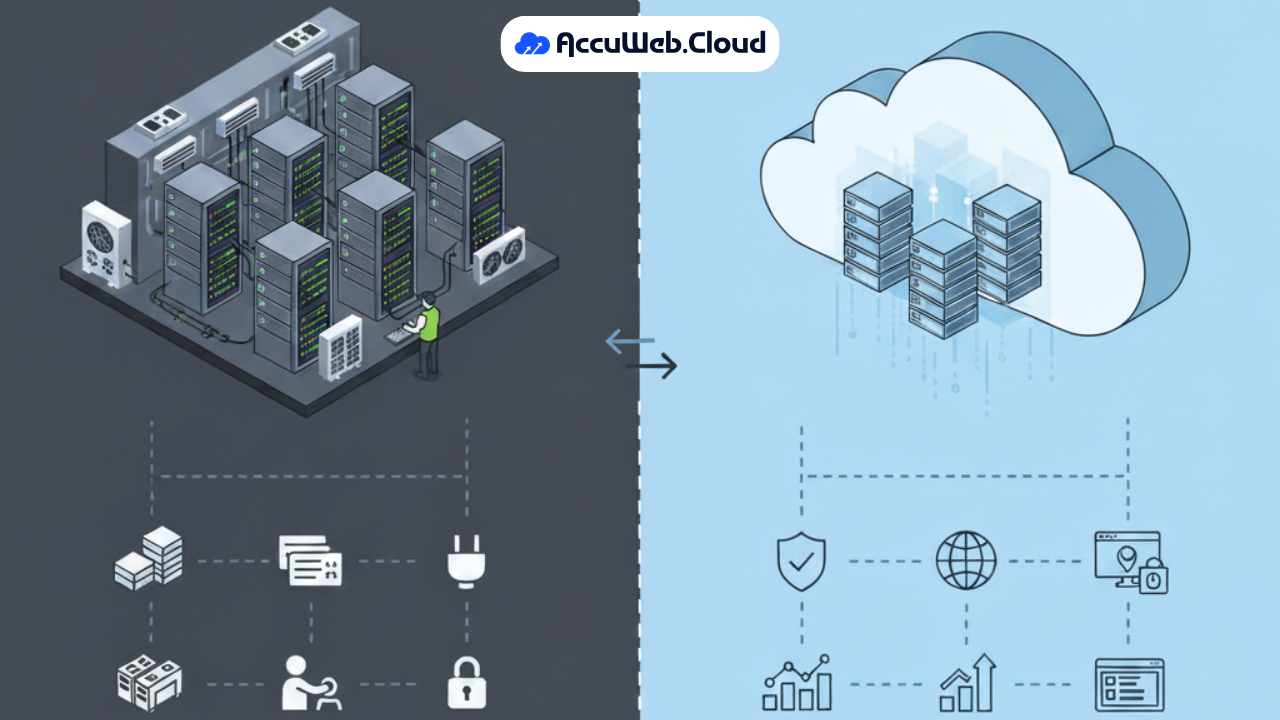
Reasons to Migrate to the Cloud in TL;DR Cloud migration transfers digital assets, applications, and infrastructure from on-premises to cloud environments for better performance and agility. It enables scalability on demand, adjusting resources to match real-time usage without idle capacity. Organizations save on infrastructure costs through pay-as-you-go pricing and reduced…
Read More

Why Cloud-Native App is Considered the Future of Software Development?

Why is Cloud-Native App Considered the Future of Software Development? TL;DR Cloud-native development builds and runs apps entirely on the cloud using microservices, containers, DevOps, automation, and serverless platforms. These apps scale instantly, recover from failures automatically, and support rapid feature releases without downtime. Cloud-native design boosts agility, resilience, and…
Read More
How Cloud Storage is Revolutionizing Remote Collaboration for Field Workers

How Cloud Storage is Revolutionizing Remote Collaboration for Field Workers

How Cloud Storage is Revolutionizing Remote Collaboration for Field Workers TL;DR Cloud storage gives field service teams instant access to job details, history, manuals, and customer records. Eliminates paperwork delays and communication gaps between technicians and office teams. Boosts first-time fix rates through real-time data updates and shared troubleshooting info.…
Read More
What is Cloud Computing?

What is Cloud Computing?

Cloud Computing: An Extensive Guide to the Future of Technology In the era of digital advancements, cloud computing has become an integral part of our lives, revolutionizing how we store, access, and process data. This groundbreaking technology has gained widespread popularity across diverse industries, offering businesses and individuals many advantages.…
Read More
Multi-cloud Networking: From Complexity to Connectivity

Multi-cloud Networking: From Complexity to Connectivity

Multi-Cloud Networking: From Complexity to Connectivity TL;DR Multi-cloud networking connects workloads across AWS, Azure, and GCP while maintaining unified routing, security, and governance. Core challenges: cloud differences, fragmented visibility, inconsistent access controls, and talent gaps. MCNS (Multi-Cloud Networking Software) solves these through centralized orchestration, policy enforcement, role-based access, and full…
Read More

Third-party logos and marks are registered trademarks of their respective owners. All rights reserved.